
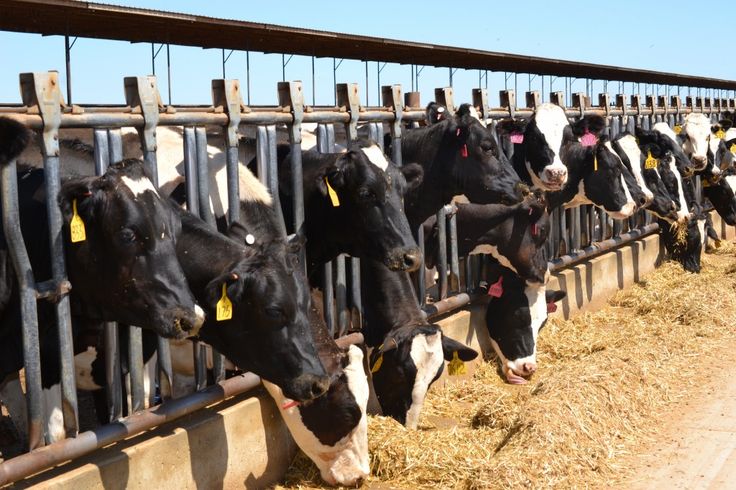
The dairy sector remains one of the strongest pillars of India’s rural economy. For the many farmers in Punjab and across India, access to the right kind of financing can make the difference between subsistence and sustainable enterprise. As the dairy ecosystem evolves, so are the loan-and-subsidy frameworks that support it. This update will help stakeholders in the VFS Alliance network understand the latest developments and how to engage effectively.
What this means for stakeholders in Punjab / Ludhiana region
- Farmers in Ludhiana and neighbouring districts can explore specialised dairy-farm loans (for buying cattle, setting up sheds, installing milking machines) tailored by banks, NBFCs and cooperatives.
- Given Punjab’s strong dairy tradition, allied infrastructure (milk chilling units, collection centres) is a viable expansion area.
- The reduced cost of finance (via subsidies, supportive policy) improves project viability—making expansion into higher-yielding animals, mechanisation, and value addition more feasible.
- For financial institutions and the BFS Alliance network, supporting dairy clients means designing loan products with flexible repayment (aligned with dairy cash-flows), providing advisory on dairy business economics, and linking borrowers to government support and schemes.
What’s new in dairy farming credit
- Government investment boost:
The central government recently announced projects worth ₹947 crore for the livestock and dairy sector, including a livestock IVF lab in the North East and an integrated dairy and cattle-feed plant in Andhra Pradesh.
This signal renewed policy focus and may indirectly improve upstream financing conditions for dairy units.
- Loan schemes tailored for dairy:
Many banks now offer dairy-specific term loans, working capital and allied-activity loans (i.e., for milch animals, infrastructure such as sheds, milking machines, feed units).
- For example, banks “Allied Activities – Dairy” category allows loans for dairy, poultry & fisheries.
- The scheme facilitation from National Bank for Agriculture & Rural Development (NABARD) and allied government programmes provide lower-cost loans or interest subvention for dairy/infrastructure.
- Subsidy & infrastructure fund support:
The Dairy Processing & Infrastructure Development Fund (DIDF) supports modernization of milk-processing, chilling, value-addition, and allied infrastructure for dairy federations and milk unions.
While this is not a small-farmer loan scheme per se, its integration means that dairy value-chains are becoming increasingly attractive and credit-worthy.
- Credit interest rates & eligibility trends:
- Typical interest rates for dairy-farm loans across India currently range ~9 %-14 % per annum for standard farmers.
- Some business-loan oriented dairy loans (for more commercial operations) show higher rates (e.g., up to ~26 % in certain NBFC offers).
- Eligibility is expanding: small farmers, women dairy entrepreneurs, SHGs/JLGs are increasingly eligible, and collateral-free or minimal-collateral options are being discussed.
- The Punjab Dairy Development Board (PDDB) lists several subsidy-linked credit schemes for dairy farmers:
- Subsidy for purchase of 2-20 milch animals (max cost ~ ₹14 lakh) with subsidy of 25 % for general category, 33 % for SC/ST. (nabard.org)
- Subsidy for building cattle sheds (cost ₹4-6 lakh) under similar subsidy percentages. (nabard.org)
- Subsidy for fodder / silage making equipment: e.g., up to ₹3 lakh subsidy for silage unit. (nabard.org)
- There’s also a “Dairy Development Scheme” where farmers in Punjab (rural) are eligible, with loans up to ~ ₹14 lakh (for ~20 animals) plus subsidy. (Apni Kheti)
- Banks such as Punjab & Sind Bank list dairy development programmes under “financing dairy development” category. (punjabandsindbank.co.in)
Key action-points for VFS Alliance members
- Mapping eligible scheme options – Maintain a current list of dairy-loan products (banks/NBFCs) and subsidy schemes applicable in Punjab.
- Farmer profiling – Identify dairy-enterprises or aspirant dairy farmers who can benefit: what is their herd size, infrastructure gap, cash-flow model?
- Credit appraisal tailored to dairy– Unlike cropping, dairy has year-round input costs (feed, veterinary) and periodic incomes (milk sales). Loan products must reflect these cyclicities.
- Linking to value-chains – Encourage borrowers to tie-up with marketing/collection infrastructure (milk unions, cooperatives) thereby reducing risk and improving incomes.
- Promotion & capacity-building – Organise awareness camps about dairy finance, subsidy schemes, business planning for dairy farmers (especially small/mArginal).
Challenges & things to watch
- Input-cost inflation (feed, fodder, veterinary care) remains a risk and may squeeze margins; financing must factor such risks.
- Milk‐price volatility: dairy revenue depends on consistent procurement and stable pricing; loan repayment design should allow flexibility or moratoriums.
- Collateral and credit‐history constraints: many small dairy farmers may lack formal credit history; dual support (technical + financial) may help.
- Infrastructure gap: While dairy fresh-milk production is strong in Punjab, value‐addition, chilling and transport infrastructure may lag; integration with credit programmes is important.
Conclusion
The financing environment for dairy farming in India is evolving positively-driven by policy support, specialised loan products and a growing recognition of dairy as a viable entrepreneur pathway. For the BFS Alliance network in the Punjab region, this is an opportune moment to mobilise dairy-finance initiatives: by mapping scheme-options, tailoring loan-products, and aligning with value-chain partners. With the right support, dairy farmers can move from traditional production into scalable business models—adding value, increasing incomes and driving rural growth.